
Quick recap (because nobody reads long walls of text)
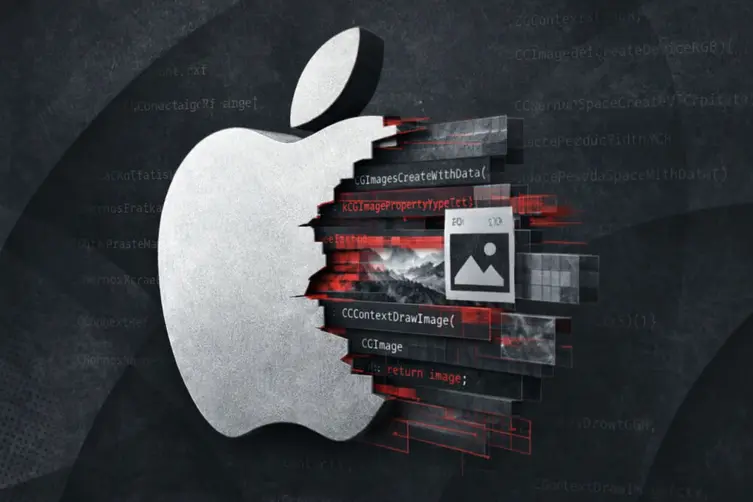
Apple quietly shipped security updates to plug a nasty bug in older versions of iOS, iPadOS, and macOS. The flaw, tracked as CVE-2026-86950, is an out-of-bounds write in CoreGraphics that could let a crafty file trigger arbitrary code execution on a vulnerable device. In plain English: a specially made file could make your device do something it shouldn’t—so you probably want to update.
Who, what, and how to fix it
Apple says this issue was fixed by tightening up bounds checks (aka: making the code less gullible). The company also credited Meta Product Security for finding and reporting the problem. Apple warned that there’s a report this bug may have been used in a very targeted and sophisticated attack against people running versions of iOS older than iOS 27, but it didn’t share details about how many people were targeted or whether those attacks succeeded.
Devices and OS versions updated to address the flaw include:
- iOS 26.7.1 and iPadOS 26.7.1 — iPhone 11 and later; iPad Pro 12.9-inch (3rd gen+) and later; iPad Pro 11-inch (1st gen+) and later; iPad Air (3rd gen+) and later; iPad 8th gen and later; iPad mini (5th gen+) and later
- macOS Tahoe 26.7.1 — Macs running macOS Tahoe
- macOS Sequoia 15.8.1 — Macs running macOS Sequoia
Fun fact: this isn’t the first time this year that Apple patched something exploited in the wild. Earlier in the year Apple fixed a separate memory corruption issue in the dynamic loader (dyld) that had been used in targeted attacks.
What should you actually do? Update now unless you enjoy living on the edge. If automatic updates are off, go to your Settings or System Preferences and install the latest updates. If you manage multiple devices, push the update across your fleet, and maybe buy your update button a thank-you coffee.