
Developers using AI coding helpers feel like kids in a candy store: faster builds, more features, and less time wasted on the boring bits. But while you’re high-fiving over shipped pull requests, something quietly piles up in the corner — packages, dependencies, and the security chores nobody wanted in the first place.
The mess AI sneaks into your stack
AI-generated code is great at spitting out working snippets, and even better at dragging in a herd of open-source libraries in the blink of an editor. A single dependency added in minutes can become a security review, a license check, a maintenance headache, and an ownership question all wrapped into one. That backlog of unresolved work is what people mean when they talk about remediation debt.
Remediation debt isn’t mythical — it’s the slow-motion pileup that happens when security teams can’t keep pace with the speed of development. As AI gets smarter and more autonomous, that pile can grow even faster, turning a manageable to-do list into a full-on avalanche.
Quick, useful takeaways
ActiveState surveyed 300 security and engineering leaders across industries to see how teams are coping. The highlights (and the parts you’ll want to steal for your own playbook):
- How AI coding changes the volume and type of open-source work security teams must handle.
- Benchmarks that let you compare your program with peers in technology, finance, healthcare, manufacturing, and government.
- Where remediation debt starts to hit audits, increase breach risk, and sap developer productivity.
- Which governance models actually help, and which ones just add more red tape.
- Practical patterns for stopping problems before they become debt: tighter dependency controls, faster triage, and clearer ownership.
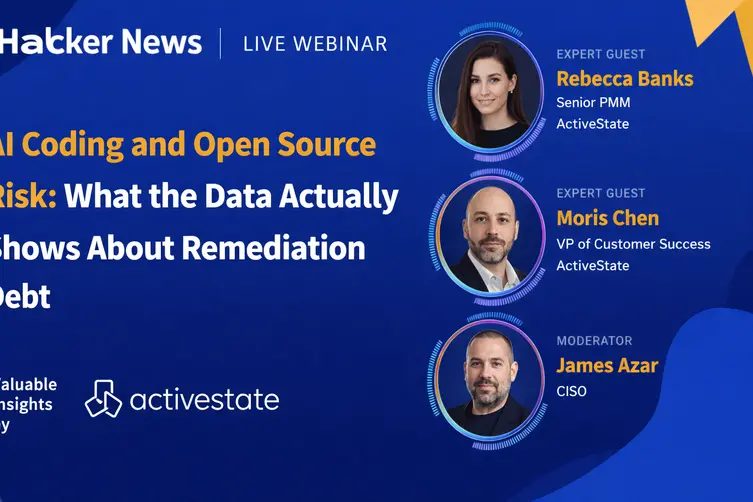
This isn’t doom-saying. It’s a practical, data-driven look at what’s happening right now and how teams are adapting before AI-generated code scales out of control. If you want to see the charts, the numbers, and the recommended fixes in action, check out ActiveState’s webinar on AI coding and open-source risk for the full breakdown.