
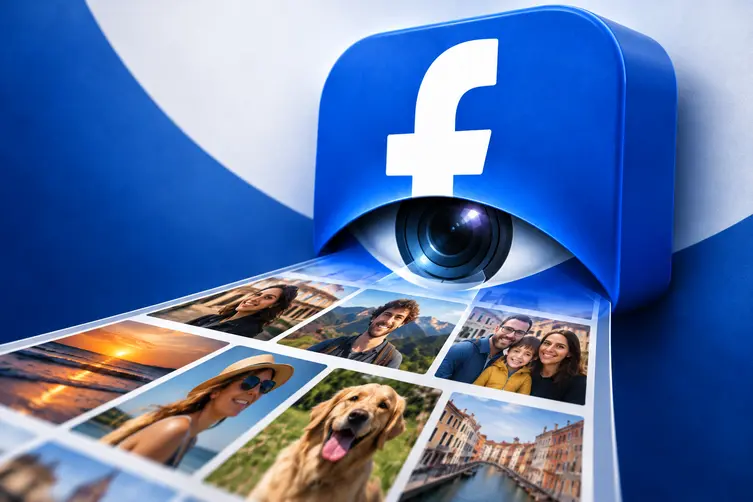
Italy’s data watchdog has hit Meta with a hefty fine — €805 million — after finding that a Facebook for Android feature was poking through users’ phone galleries without proper permission. The feature suggested photos and videos from phones for users to post, and regulators say it was effectively turned on by default.
What happened
The Italian authority (the Garante) investigated and concluded the app used a single, broad permission that let Facebook read the whole photo archive on a device. The problem: that permission covered multiple functions, and a vague notice didn’t make it clear users were also enabling gallery suggestions. In short, the regulator decided people weren’t given the chance to give explicit consent for that specific behavior.
The case began after a consumer group filed a complaint and the probe — which included a technical analysis by the authority — found that the access went on since the feature’s rollout in 2023. The investigation did not look into whether those images were used to train AI models (Meta denies such use), although the regulator may examine newer cloud-processing features separately.
The regulator’s demands and next steps
The Garante ordered Meta to change course and set out concrete deadlines. Here’s what the company must do:
- Within 60 days: ask users for a separate, specific consent for the gallery-suggestion feature and clearly explain what it does, that it reads the gallery, and how to turn it off.
- Within 60 days: keep the feature off by default, including for users who had previously granted the broad permission.
- Within 30 days: report back on the initial work started to comply.
- Within 90 days: report on the concrete measures taken.
If Meta misses the 60-day deadline, the regulator said the feature simply can’t be turned on for anyone who hasn’t given valid, specific consent. Meta says it will appeal and called the penalty disproportionate.
The Garante rejected Meta’s argument that another EU regulator should handle the case, saying the ePrivacy rules at issue don’t allow a single “one-stop-shop” authority to take charge.
The fine is based on factors like the number of people affected (about 20 million Android users in Italy), how long the issue lasted, and past regulatory history. The authority also noted limited cooperation and late changes from the company.
Why this matters and what you can do
Beyond the legal drama, this is a reminder that app permissions are powerful and easy to overlook. If you want to avoid surprise photo-snooping or awkward suggested posts, here’s a short checklist:
- Open your phone’s settings and review which apps have access to your photos — revoke anything you don’t want.
- Inside the Facebook app, hunt down gallery or suggestion settings and toggle them off.
- Keep your apps and OS updated so you get the latest privacy controls.
- When an app asks for broad permissions, pause and think: does it really need full archive access?
So yes — regulators are flexing muscles, companies are grumbling, and you get to double-check whether your phone is being more social than you are. Keep an eye on the 60/90-day clock — and perhaps don’t let your photos be the next star of someone else’s algorithmic talent show.