
The invisible problem
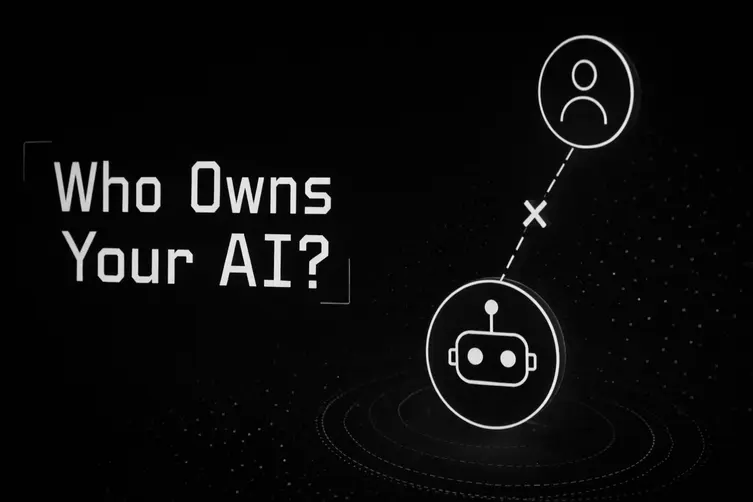
Quick test: if a wandering AI automation pokes at your company’s crown-jewel source code or databases, can you point to a living person who signed off on it? Most teams would blink and say “no.” That’s because the fast march to internal AI has left a weird, messy trail of forgotten automations and permissions.
When the person who built a bot moves on, the bot often keeps running like a pet hamster on a wheel — still holding onto tokens and privileges long after the human badge was deactivated. These stray scripts are commonly called orphaned agents, and paired with permanent, unnecessary access (a.k.a. standing privileges) they are a juicy target for attackers. Traditional security tools treat AI like ordinary software: they log activity but can’t ask, “Whose identity is this doing work?” — that blind spot is the real trouble, the identity gap.
Hunt, map, and fix — the short playbook
Don’t panic; you don’t need to rewrite the universe. You do need a plan that ties machines back to humans and treats AI as a living, changing actor — not a static app.
- Inventory first: Find running agents and the tokens they’re using. Look for unusual long-lived credentials, service accounts, and unattended API keys.
- Map to owners: Correlate tokens and deployment metadata to a person or team. If you can’t do that, treat the agent as untrusted until proven otherwise.
- Revoke stale access: Reclaim permissions that no longer have a clear owner. If the original builder left months ago, cut the token’s power.
- Adopt ephemeral creds: Use short-lived credentials for AI tasks so nothing lives forever by accident.
- Monitor continuously: Alert on atypical repository pulls, mass data exfiltration patterns, or agents running outside expected windows.
- Unify identity controls: Put human, machine, and AI identities in one control plane so you can answer “who authorized this?” in seconds.
Want a deeper, hands-on look? There are technical briefings (including sessions with vendors like SailPoint) that skip the hype and show the plumbing you’ll need to trace, claim, and close down forgotten AI access. No magic fixes — just practical architecture and steps that actually work.
Bottom line: bots don’t resign when people do. Hunt down those ghost processes, tie them to owners, and pull the plug on anything without a clear human sponsor before an attacker finds it first.