
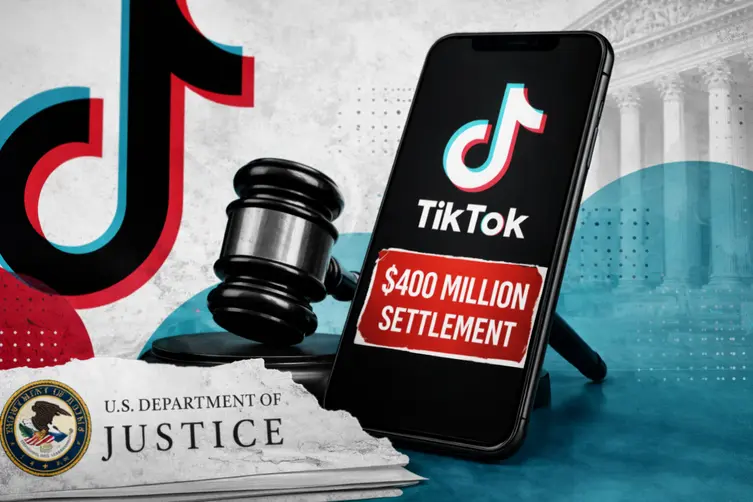
Big news from the internet’s attention-grabbing quadrant: TikTok has agreed to a $400 million settlement to resolve a U.S. lawsuit that accused the company of mishandling kids’ data. It reads like a headline you’d expect between cat videos and dance crazes, but with far fewer filters and a lot more legal paperwork.
Settlement details (short and snackable)
The deal calls for an immediate payment of $300 million, plus another $100 million down the road if a certain older court order involving TikTok’s predecessor is vacated. The government framed this as one of the larger recoveries related to the federal child privacy statute, commonly known as COPPA.
The government’s complaint said the platform allowed under‑13 users to create accounts and collected data from those using a so-called Kids Mode, and that the company didn’t always honor parents’ requests to delete their children’s information. TikTok pushed back at the time, saying many of the allegations referenced past practices that had already been corrected.
Why this actually matters
Short version: this is about protecting the small humans who accidentally discover TikTok before their bedtime. Beyond the headline number, the settlement signals tougher attention on how companies handle kids’ information and nudges platforms to keep stronger age checks and parental tools in place.
- This case reinforces the importance of children’s privacy and shows regulators will pursue big recoveries when rules are allegedly broken.
- Companies will be watching compliance more closely — expect more emphasis on age verification, data minimization, and obvious parental controls.
- For TikTok, the payout is another chapter in a series of regulatory headaches, and it comes with public pressure to demonstrate real, ongoing changes rather than band-aids.
Bottom line: the internet keeps being weird and wonderful, but when kids are involved, regulators don’t mess around. Expect more headlines, more policy-shaping, and a continued push for platforms to prove they can protect younger users without turning the internet into a bland sandbox.