
What’s going on?
Quick version: US agencies — led by the FBI and CISA, with partners in health, agriculture and transportation — say cybercriminals are poking around refrigeration and cold‑chain systems worldwide. These aren’t just fancy thermostats; they’re industrial controllers that keep food, medicine and blood at the right temperature. If someone messes with them, you get spoiled food, broken gear, and yes, potential fire hazards. Fun times.
Attackers are finding and abusing internet‑exposed or unpatched controllers, as well as sloppy configurations and bypassable logins. Those devices let operators monitor temps, schedule defrost cycles, and control compressors — so when a bad actor flips a few settings, things can go from chilly to catastrophic pretty fast.
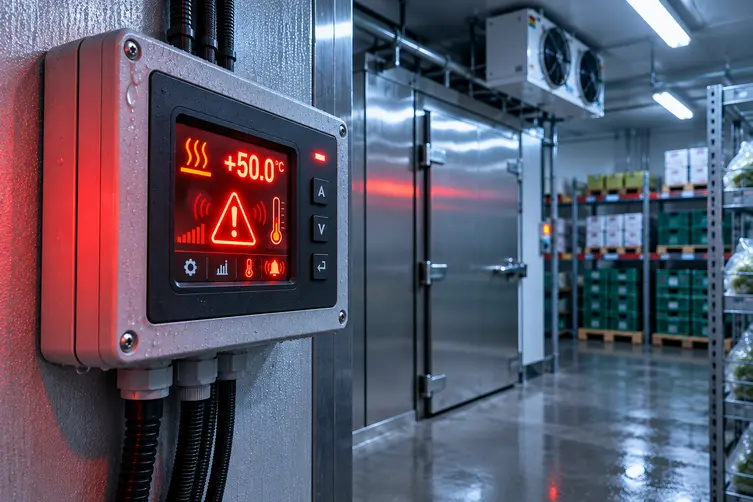
This alert follows real‑world incidents in Europe where supermarket and blood‑storage refrigeration systems were tampered with: defrost cycles were triggered remotely, temperatures were raised to unsafe levels (in some reports up to about 50°C), and several stores and medical storage sites were disrupted. In short: it’s not hypothetical.
How to not have your cool stuff ruined
If your operation uses refrigeration controllers, assume someone would love to make your walk‑in cooler less walk‑in‑cool. Here’s the checklist agencies recommend — with a tiny bit of common sense and a dash of paranoia:
- Remove direct internet access for controllers. Don’t let them be freely reachable from the web.
- Lock down remote access and use secure tunnels or VPNs when remote work is required.
- Change default credentials and harden accounts — yes, actually do it. change default passwords
- Apply vendor security updates and patches as soon as practical.
- Segment networks: keep operational technology (OT) isolated from business networks and corporate email systems.
- Enforce safe temperature thresholds so controllers can’t be told to run wildly outside approved ranges.
- Monitor logs and alerts for strange behavior (sudden defrost commands, odd temp jumps, unexpected config changes).
- Have an incident plan: backups, manual overrides, and a contact list for manufacturers and responders.
Translation: treat refrigeration gear like the critical infrastructure it is, not like a plug‑and‑play novelty. Patch, isolate, monitor — and maybe give your freezer a password manager (just kidding, don’t do that — but do secure it).