
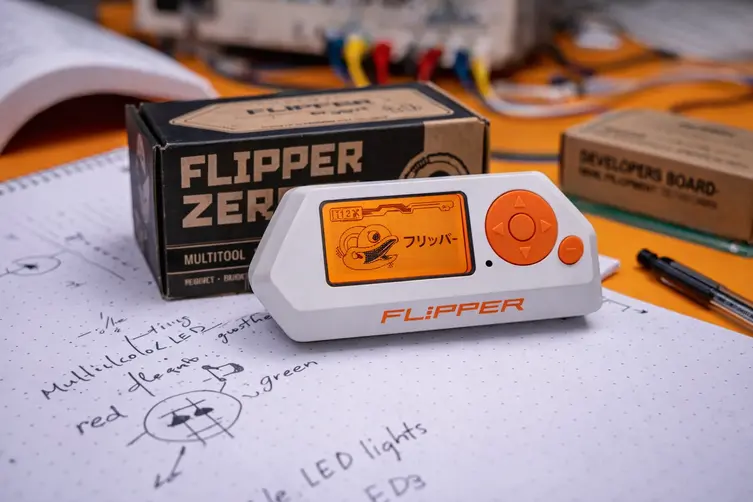
What’s changing with Flipper Zero
Good news for gadget lovers: Flipper Devices isn’t abandoning the Flipper Zero firmware — it’s just slimming down the in-house crew and leaning hard on community contributions. The company wants to concentrate more energy on new hardware (think an open Linux device called Flipper One and a new ADHD-focused gadget called Busy Bar), so the firmware team will shift from full-time feature work to a maintenance-and-community-support role.
The firmware reached a major milestone with version 1.0 in September 2024, and the most recent stable release is 1.4.3 from December 2025. At that point the team judged the codebase mature enough: stable SDK, APIs, and the headline features were in place.
How the community-driven process will work
Because there are now over a million users and the tiny team was getting swamped with requests, the project is moving to a more structured, community-first workflow. Imagine a carefully supervised volunteer band instead of a full-time development factory. Key points:
- Feature and bug requests will be reviewed on a weekly cadence.
- All official communication and prioritization will be routed through GitHub Discussions, where the community can vote on what matters most.
- Community pull requests are welcome, but they’ll face tougher review standards before being merged.
- All firmware changes must pass mandatory integration testing and regression checks, and those tests will be visible to the community.
- The core team will keep final oversight, with special scrutiny for AI-generated code touching low-level functionality and for changes that impact the user interface or documentation.
Because the volume of messages ballooned with over a million users, the company has also closed direct messages on social channels and asked everyone to funnel requests through the public discussion process. This puts feature selection in the hands of users — vote, and the community decides what comes next.
So yes: development isn’t dead — it’s evolved into a crowd-powered model with a small team acting as maintainers-and-bouncers. If you’ve ever wanted to help shape the device you carry, now’s a great time to roll up your sleeves and submit a well-tested contribution (and maybe pack some snacks for the firmware party).